Commercial Cooking Robot Solutions Built Around Your Kitchen Workflow
Automate suitable, repeatable cooking steps without treating the robot as a standalone appliance. Warpify brings together menu qualification, recipe digitization, kitchen fit, integration, pilot acceptance, operator training and lifecycle support around the way your team prepares, cooks, plates and serves.
See How Automated Cooking Fits a Real Kitchen Workflow
A suitable system can execute validated heat, timing, stirring and ingredient-dispensing steps when those functions are present in the selected configuration. Kitchen teams still prepare and portion ingredients, verify the station, manage food-safety controls, plate or hand off dishes, and respond to exceptions. The goal is a controlled cooking service with clear recipes, handoffs, acceptance criteria and recovery procedures.
Turn Repeatable Dishes Into Controlled Cooking Programs
Start with dishes your team already prepares repeatedly. Warpify maps the current method, controllable inputs, acceptable result and human handoffs before turning suitable steps into a validated cooking program.
Recipe-driven cooking
Today
An experienced cook coordinates heat, timing, stirring and seasoning from memory while managing competing tasks.
Automated workflow
A validated program sequences the suitable steps supported by the selected station and prompts operators at defined handoffs.
Human responsibility
A culinary owner approves the recipe. Staff prepare ingredients, load the station, verify the dish and handle exceptions.
Repeat batches during peak periods
Today
Repetitive batches create concentration and training demands, while results can drift as inputs or timing change.
Automated workflow
Approved programs provide a repeatable sequence for qualified dishes; actual capacity is validated under the site's menu and operating conditions.
Human responsibility
Staff control preparation, portioning, queue priorities, plating, quality checks and manual fallback.
Multi-site recipe rollout
Today
Training and local workarounds can cause an approved recipe to diverge across locations.
Automated workflow
Where supported, version-controlled programs can be tested, released and governed across approved stations.
Human responsibility
Culinary and operations leaders own recipe approval, change control, food-safety procedures and staff readiness.
A complete operating loop
From Menu Qualification to Supported Operation
Useful automation connects the approved recipe to the kitchen operation. The machine is one part of a controlled workflow with defined inputs, human handoffs, acceptance criteria and recovery procedures.
01
Qualify the dish and service need
Choose a dish family or station with repeatable steps, sufficient demand and a clear operating constraint. Map preparation, cooking, plating, cleaning and exceptions before choosing equipment.
02
Standardize ingredients and handoffs
Define ingredient condition, cut, portion, container, sequence and responsible operator. A cooking program cannot compensate for uncontrolled inputs.
03
Digitize and validate the recipe
Translate the culinary method into controllable steps. The culinary owner reviews taste, texture, appearance, yield and food-safety procedures over repeated trials.
04
Configure the kitchen and interfaces
Confirm footprint, utilities, ventilation, drainage, fire and hygiene requirements, ingredient flow and safe access. Integrations are separately scoped when suitable interfaces exist.
05
Run a supervised pilot
Measure dish acceptance, real-menu cycle time, interventions, changeover, cleaning, fault recovery and team adoption against agreed pass/fail criteria.
06
Operate, review and support
Train operators, maintain approved recipe versions, document manual fallback, monitor faults and service events, and review evidence before expanding scope.
A validated program needs clear human ownership at every handoff.
Keep chefs in control
Automation Executes the Program. People Own the Result.
Culinary leaders define and approve the result. Operators verify ingredients, station readiness and dish quality. Supervisors own exceptions, cleaning verification, manual fallback and change control.
Human responsibilities remain explicit throughout the workflow.
Author and approve the recipe
Culinary leaders define the method, acceptable result and authorized changes.
Verify inputs and dish quality
Operators control ingredient condition, portioning, handoffs and final checks.
Manage exceptions and change control
Supervisors manage cleaning, recovery, escalation, fallback and approved updates.
That ownership turns repeatable cooking into a supported operating service.
What changes for the operation
The Value Is Not the Machine. It Is a Better Cooking Operation.
More repeatable execution
A validated program can reduce avoidable variation in supported steps when ingredients, portions, recipes, equipment condition and procedures remain controlled.
A different labor mix
Automation can shift repetitive heat-and-timing work toward preparation, quality checks, service and exception handling. It does not by itself prove a staffing reduction.
Faster training and controlled updates
Operators can follow defined prompts and approved programs while culinary leadership retains recipe quality, training standards and change authorization.
Better service visibility
When supported, recipe versions, equipment status and fault history can inform operating reviews. Reporting scope is confirmed during solution design.
Actual value depends on dish suitability, input control, intervention rate, operator adoption, cleaning effort, operating conditions and how the site uses the released capacity.
Application fit and qualification
Where Commercial Cooking Automation Is Most Likely to Fit
The same operating loop can support different food-service environments. We qualify each opportunity around the menu, input control, demand, kitchen infrastructure, food safety, operator handoffs and service coverage.
Qualification boundaries
Fit Depends on More Than the Machine
A useful assessment tests the dish, inputs, kitchen, people and support model together. A generic specification sheet cannot establish operational fit.
Menu and input control
Dish and preparation fit
Confirm cooking-method compatibility, ingredient condition, cut, portion, sequence, batch size and the acceptable result.
Kitchen and compliance
Infrastructure and safe access
Check footprint, power, water, drainage, ventilation, fire and hygiene requirements, cleaning access and allergen controls.
Operations and support
Handoffs, fallback and service
Define staffing, loading, plating, exception ownership, manual fallback, training, preventive maintenance, parts and local service coverage.
Fit is determined through workflow evidence and site qualification, not a generic specification sheet.
Chains
Chain restaurants
Repeatable dish families, governed recipe rollout and comparable operating procedures across locations.
Fast service
Quick-service and fast-casual
Qualified dishes with sufficient demand, standardized inputs and clearly timed preparation and service handoffs.
Institutional
Staff canteens and institutional food service
Stable menus, repeat batches and documented food-safety, allergen and service procedures.
Production
Central or production kitchens
Controlled preparation, batch workflows and approved recipe distribution across downstream service points.
High volume
High-volume single-site kitchens
A stable menu, concentrated demand and a measurable station-level constraint suitable for a pilot.
Multi-brand
Cloud and multi-brand kitchens
Qualified repeat workflows with disciplined recipe ownership, change control and operator training.
Candidate cooking missions
Approved recipe replication
Run a validated program for a qualified dish while people retain input, quality and exception responsibilities.
Repeat batch or stir-fry preparation
Support repeat cooking cycles only after batch size, ingredient condition and real-menu timing are validated.
Controlled cooking steps
Sequence heat, timing, stirring or dispensing when those functions are present in the selected configuration.
Guided startup, changeover and cleaning
Use documented prompts and procedures while trained people verify readiness, sanitation and allergen controls.
Version-controlled recipe release
Test, approve and distribute recipe versions when supported by the selected platform and governance process.
Equipment and service reporting
Use supported status, fault and service data in operating reviews and escalation workflows.
Performance is site-specific. Menu fit, ingredient control, equipment configuration, kitchen conditions, operator adoption, cleaning effort and acceptance testing determine what can be automated reliably.
REAL CONFIGURATION EXAMPLES
Cooking Robot Configurations in Working Kitchens
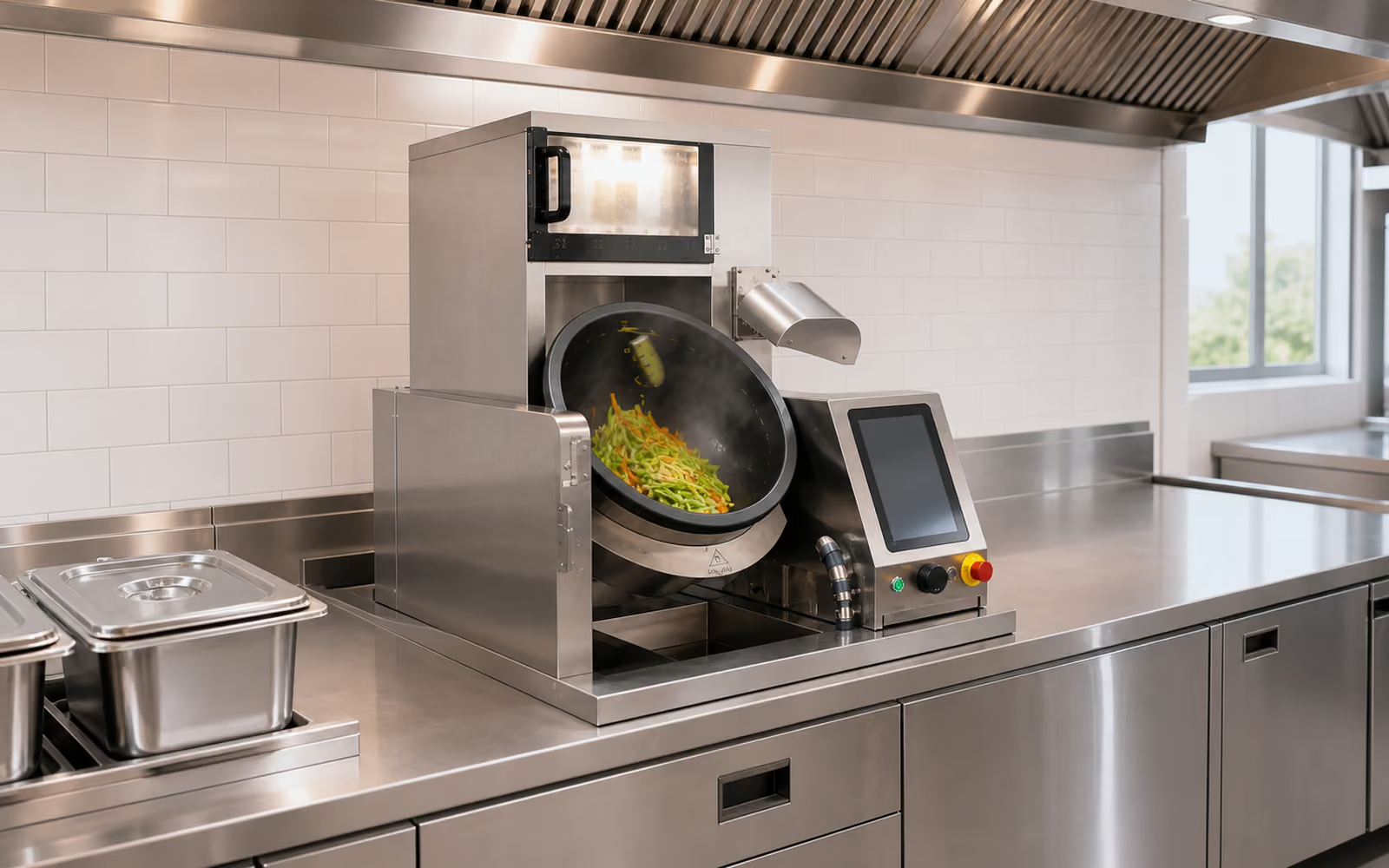
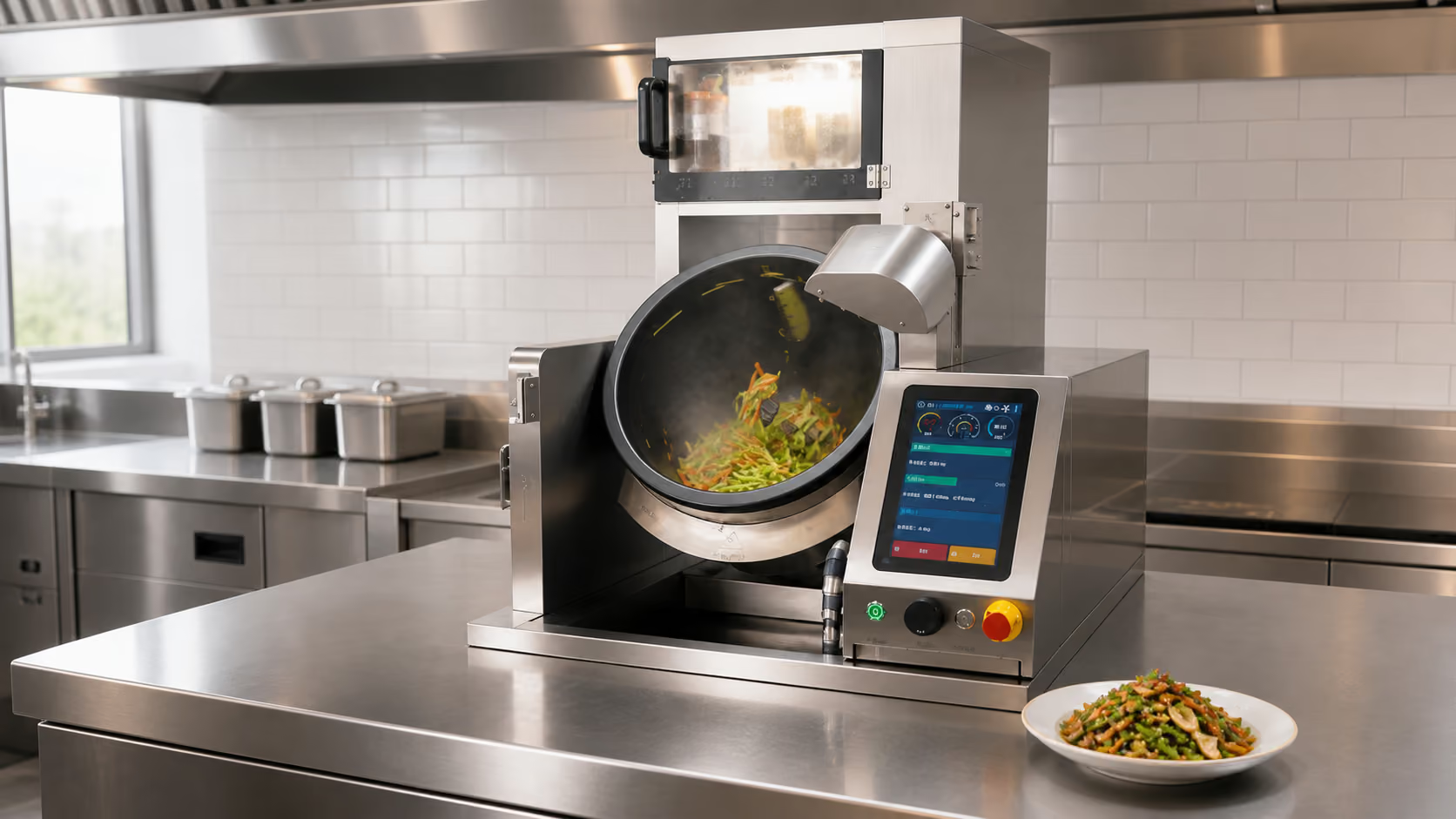
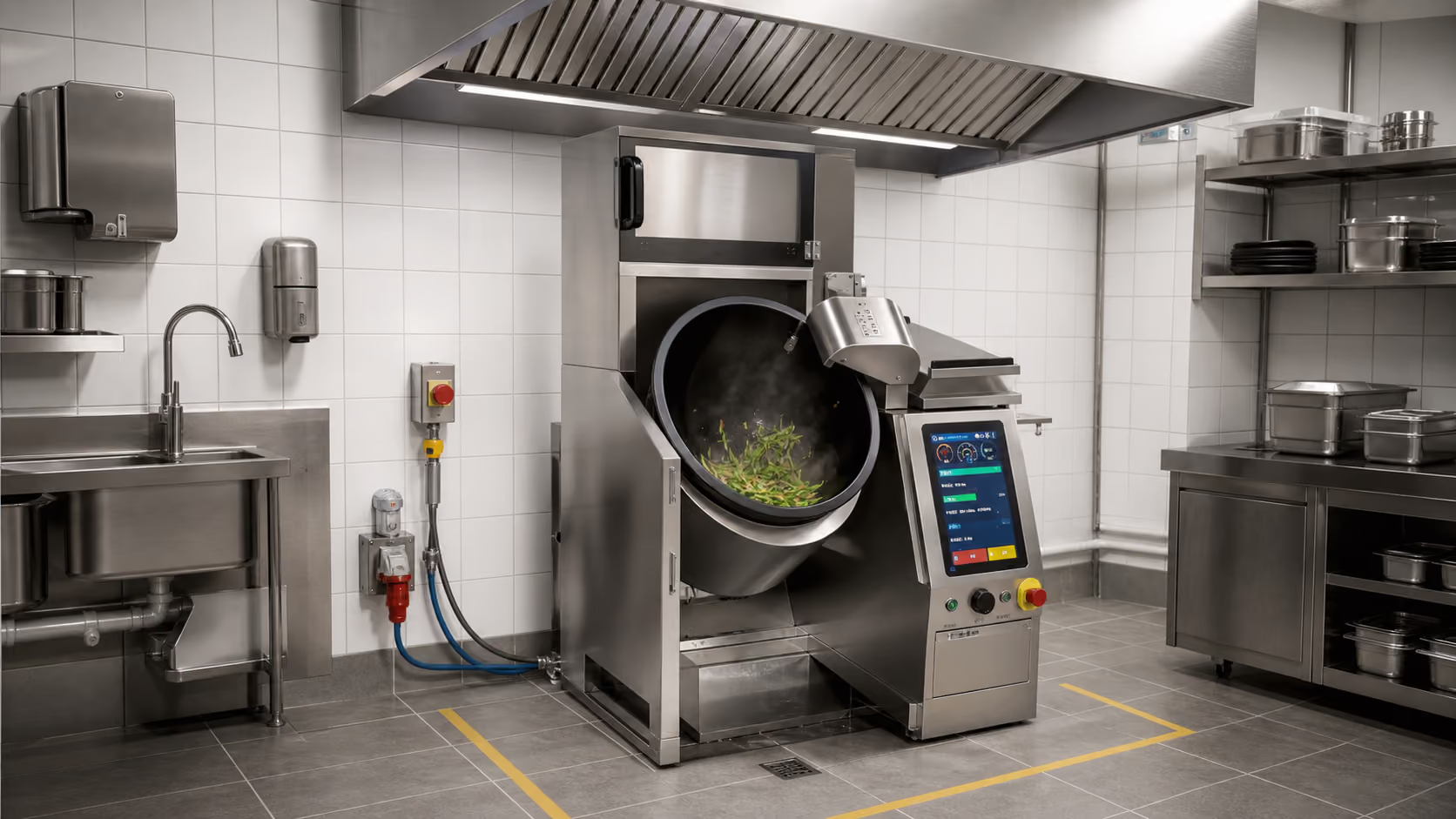
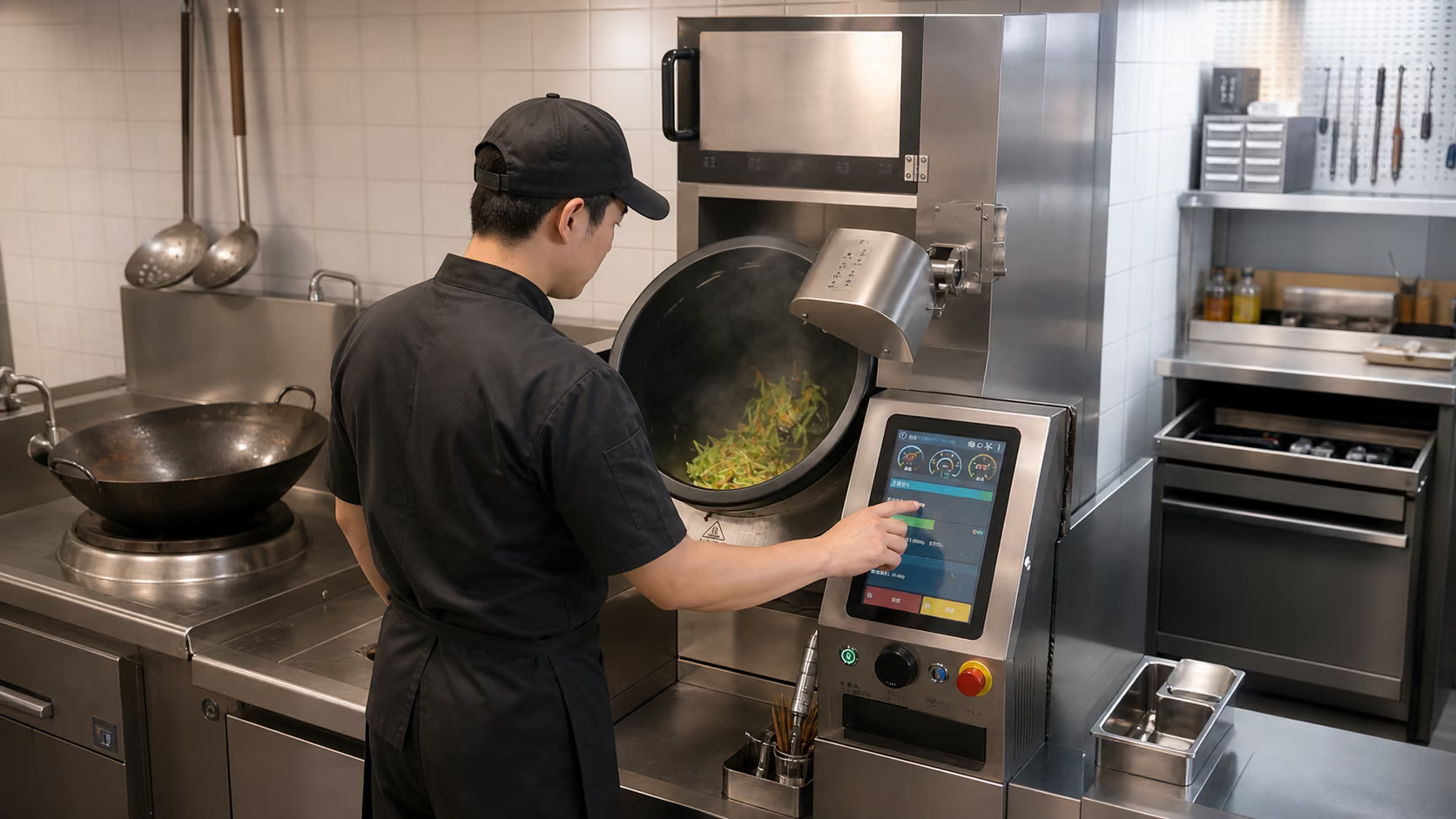
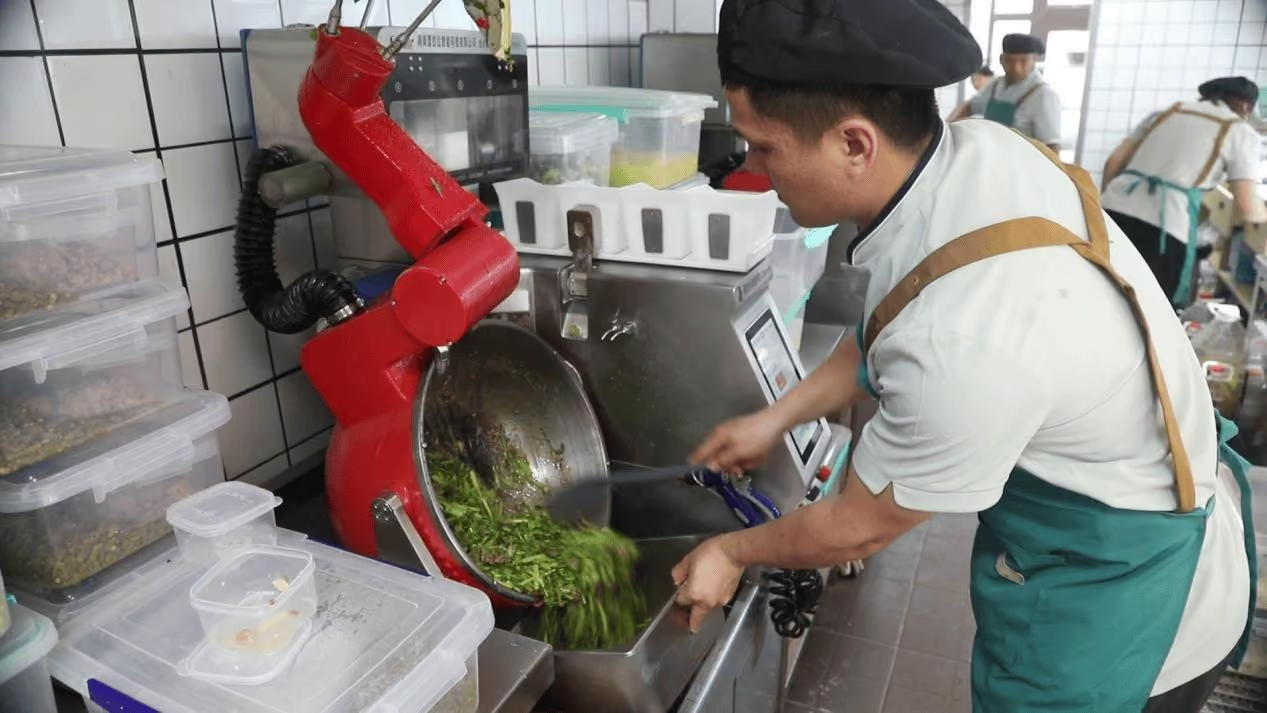
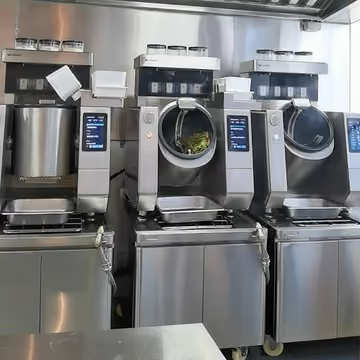
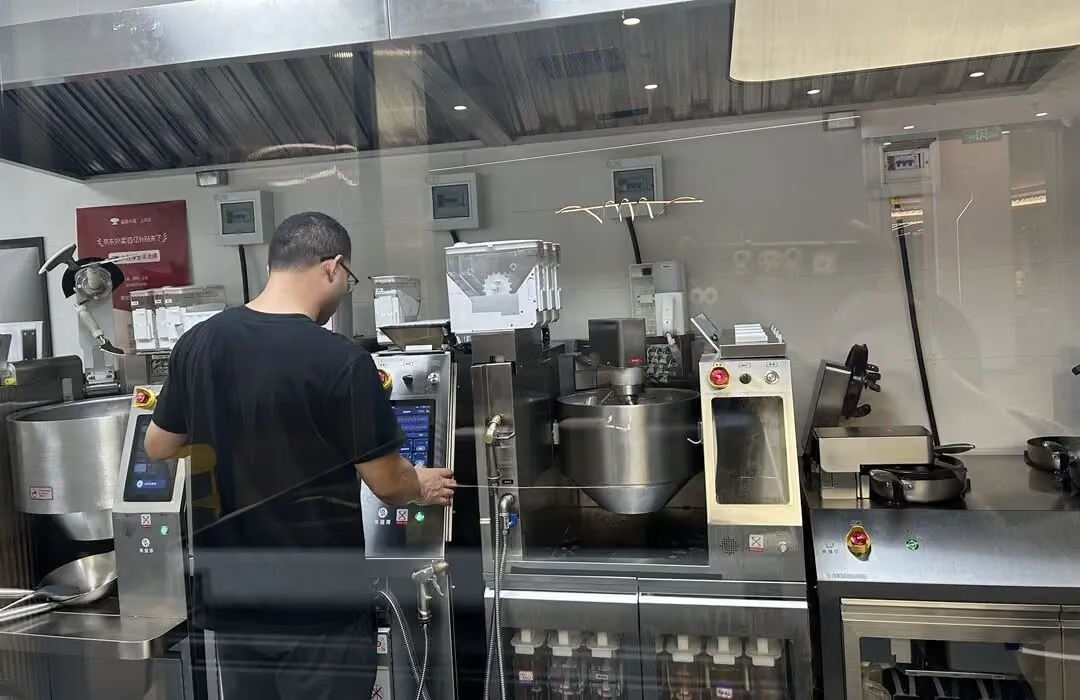
These photographs show representative commercial cooking configurations. They illustrate equipment variety and operating context—not guaranteed compatibility, performance or a completed Warpify deployment.
Chef-assisted robotic wok station
A kitchen team member manages preparation and handoff around a fixed wok-cooking station.
Multi-station cooking line
Multiple fixed stations arranged for repeat production workflows in a commercial kitchen.
Operator and service access
A kitchen operator reviews station controls with adjacent equipment and service access visible.
User-provided application photographs; shown as configuration examples, not customer-performance evidence.
A decision model, not a guaranteed payback
Build the Business Case Around One Real Cooking Workflow
Start with one dish family, one station and one representative shift. Use measured site data where possible and keep assumptions, ranges and limitations visible.
Current burdenCooking touch time, training, rework and peak-period constraints
+
Operating valueRepeatability, usable capacity, controlled training and redirected human time
-
Full system costEquipment, integration, kitchen modifications, training, service and downtime
Current workflow baseline
Document cooking touch time, training effort, rework or waste, peak-period constraints, recipe drift, cleaning time and downtime.
Use site-specific ranges and sensitivity analysis. Staffing, throughput, savings and payback are not guaranteed and require measured inputs plus pilot validation.
From opportunity to dependable service
Warpify Turns the Cooking Use Case Into a Supported Service
We begin with the dish, workflow and operating environment, then bring station fit, recipe control, kitchen integration, acceptance and service together around it.
01
Workflow and menu assessment
Map the current operation, identify suitable dish families and define human and system responsibilities before selecting a configuration.
02
Equipment and kitchen fit
Coordinate station selection, layout, utilities, ventilation, safe access and integration boundaries with the relevant specialists.
03
Recipe and operating design
Turn the approved culinary method into testable programs, operator prompts, cleaning procedures, exception paths and change-control rules.
04
Pilot and acceptance
Define measurable acceptance criteria, supervise real-menu trials and document gaps, decisions and the scale or no-scale recommendation.
05
Lifecycle support
Plan training, escalation, preventive maintenance, parts coverage, recipe governance and performance reviews around the deployment context.
Evidence before expansion
See Robotics Case Studies
Judge cooking automation through approved evidence
Cooking automation should be judged through the approved recipe, the site's operating data and documented acceptance tests—not a generic specification sheet. Warpify uses governed project evidence only when identity, image and claim permissions support public use.
Questions Teams Ask Before Automating Cooking Workflows
The right solution depends on the dish, inputs, kitchen, people and operating model. These answers clarify what can be automated and what a credible deployment needs to prove.
What cooking tasks can be automated?
The best candidates are repeatable steps with controllable inputs and a clear definition of an acceptable dish. Depending on the selected configuration, these may include heat, timing, stirring, dispensing or guided operator handoffs. Menu qualification and trials are required before any task is treated as suitable.
Does a cooking robot replace chefs or kitchen staff?
It changes responsibilities more reliably than it predicts headcount. Culinary leaders still define and approve recipes; staff prepare and portion ingredients, verify quality, manage plating and service, clean the station and handle exceptions. Any labor impact should be measured during the pilot.
Can it cook our existing menu?
Some dish families may translate well; others may depend too heavily on uncontrolled inputs, sensory judgment, delicate handling or rapid customization. We assess each dish, standardize the inputs and validate repeated results before recommending deployment.
What remains human-led?
Menu decisions, ingredient quality, recipe approval, food-safety oversight, allergen controls, visual or sensory checks, exception handling, cleaning verification, maintenance escalation and manual fallback remain assigned to trained people.
How should cleaning, sanitation and allergens be handled?
Automated rinse or wash functions, when present, do not by themselves prove a sanitary or allergen-safe process. The site needs documented procedures for disassembly where required, washing, rinsing, sanitizing, drying, inspection and recordkeeping in line with equipment instructions and applicable local requirements.
What kitchen changes may be required?
The assessment checks footprint, workflow clearances, power, water, drainage, ventilation, fire and hygiene requirements, ingredient storage and safe operator access. Requirements vary by configuration and jurisdiction and must be confirmed before installation.
Can the system connect to POS, KDS or cloud tools?
Potentially, when the selected platform exposes suitable interfaces and the operating need justifies the integration. Each data flow, command boundary, failure mode, cybersecurity responsibility and manual fallback should be separately scoped and tested.
How should we evaluate return on investment?
Use a site-specific range based on measured workload, demand, waste or rework, training effort, service constraints and the full cost of deployment and support. A pilot should validate the assumptions before any rollout or savings claim.
A practical first step
Start With One Dish Family or Cooking Station
Do not choose the machine first. Choose one repeatable cooking workflow and define what useful automation would need to prove.
Candidate dishes and culinary ownerPreparation and portioningDemand by shift and service sequenceKitchen layout, utilities and ventilationCleaning, allergens and complianceIntegration, fallback and pilot criteria
Share that information with Warpify. We can help determine what should be automated, what should remain human-led and what a credible pilot needs to demonstrate.
Ready to turn a business scenario into a robotics application solution?
Tell us your industry, workflow, site conditions, automation goals, and commercial expectations. Warpify Robotics will help assess whether your scenario fits an existing packaged solution, a custom robotics application, or a RaaS-style adoption path.