The right solution depends on the route, evidence, environment and action that follows an exception. These answers clarify what can be automated and what a credible deployment needs to prove.
What industrial inspection tasks can robots automate?
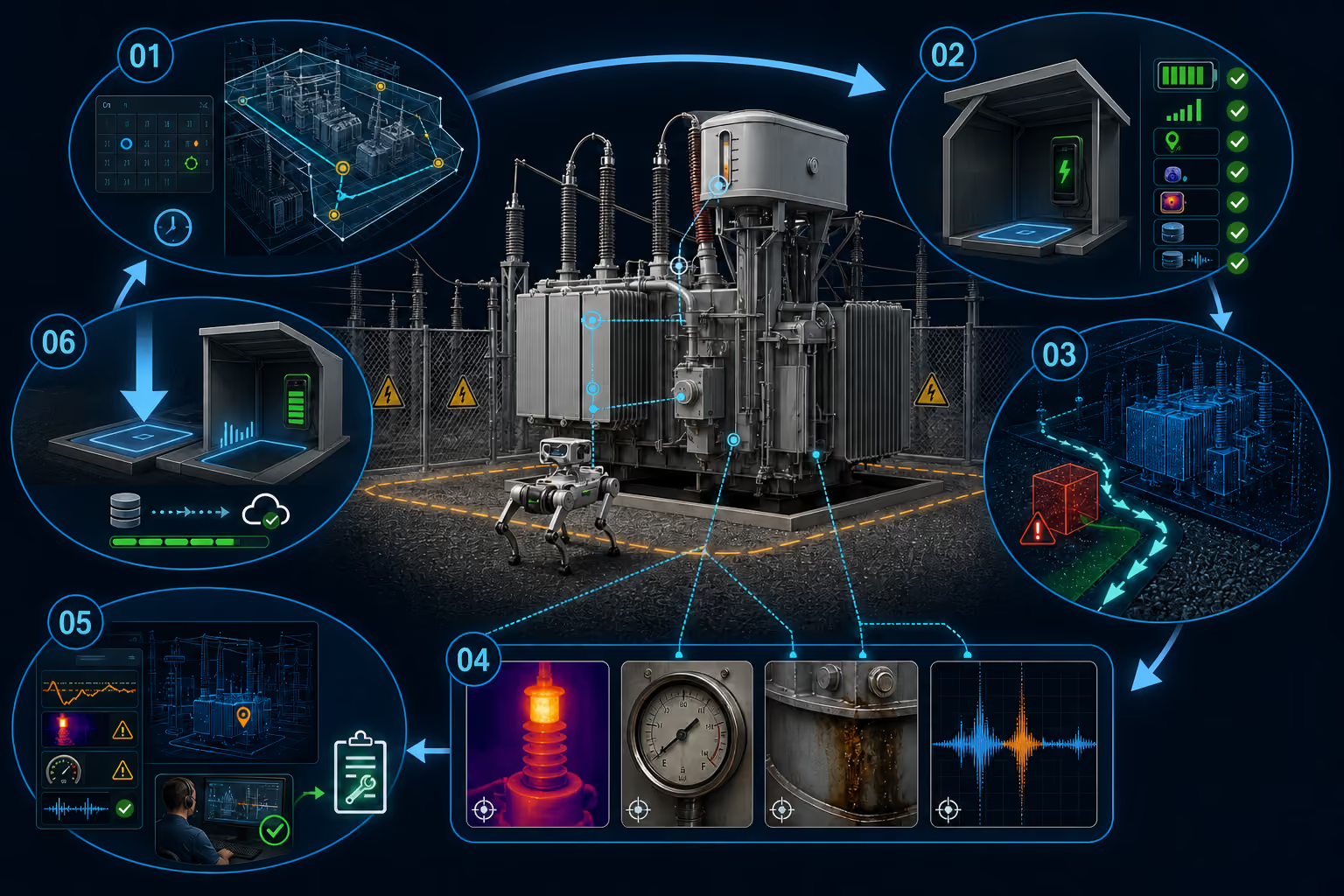
Robots can automate suitable repetitive rounds such as reading gauges and indicators, capturing images, collecting thermal or acoustic evidence, checking for visible leakage, corrosion or cracks, and recording route conditions. Each task still needs to be qualified for sensor visibility, access, safety and the required decision.
What abnormal conditions can an inspection robot identify?
With the appropriate sensors and inspection plan, a system can flag abnormal readings, thermal hotspots, changed acoustic patterns, possible gas or liquid leaks, surface corrosion, cracking evidence and other deviations. The robot collects and organizes evidence; qualified people validate the finding, diagnose the cause and decide the response.
How does a digital twin improve robotic inspection?
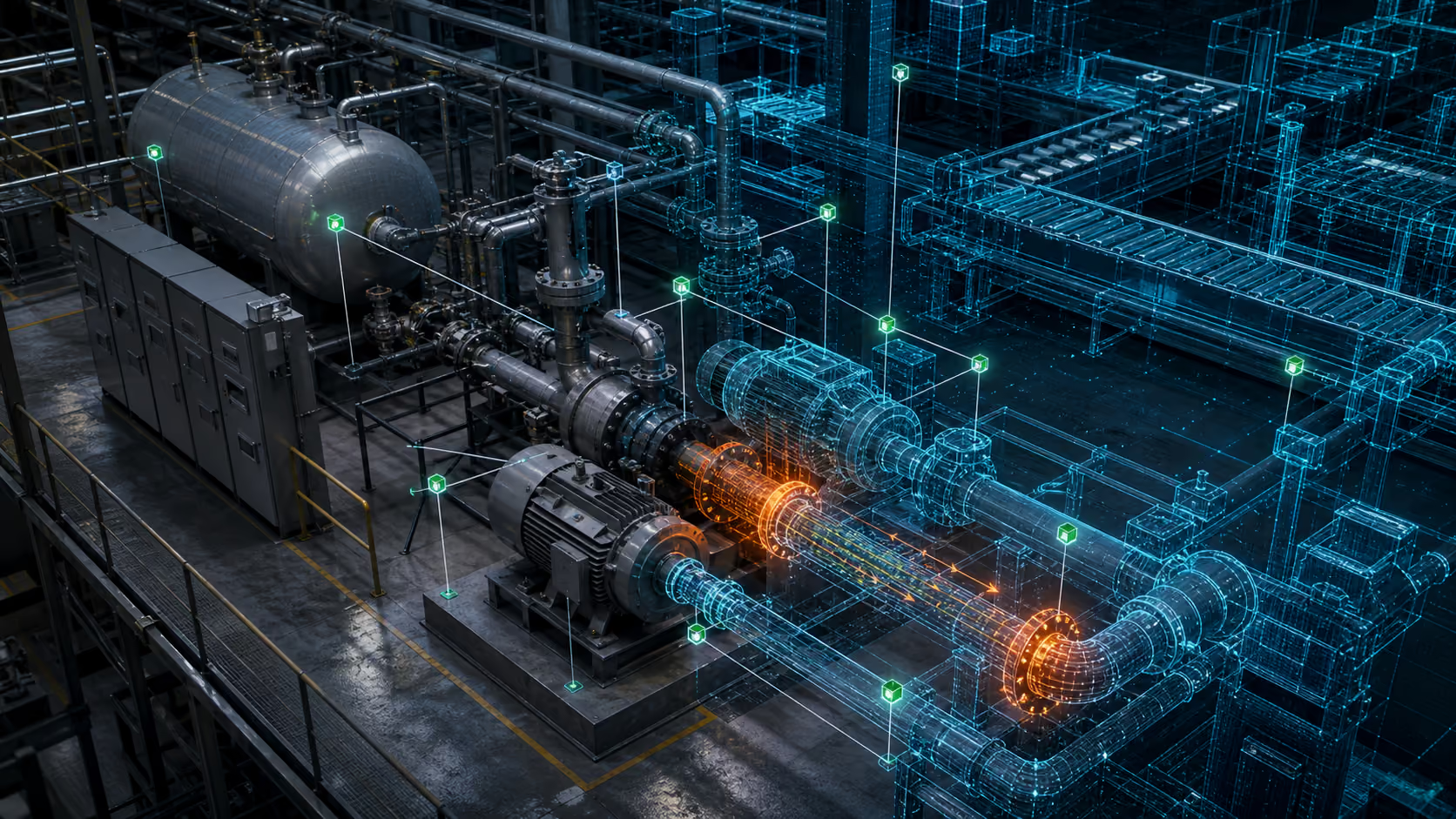
A digital twin connects observations to a known asset, location and baseline. Current visual, thermal, acoustic or condition data can be compared with prior rounds or an approved model, making it easier to see what changed and send a contextual exception to the responsible team.
Which industries and facilities are suitable for robotic inspection?
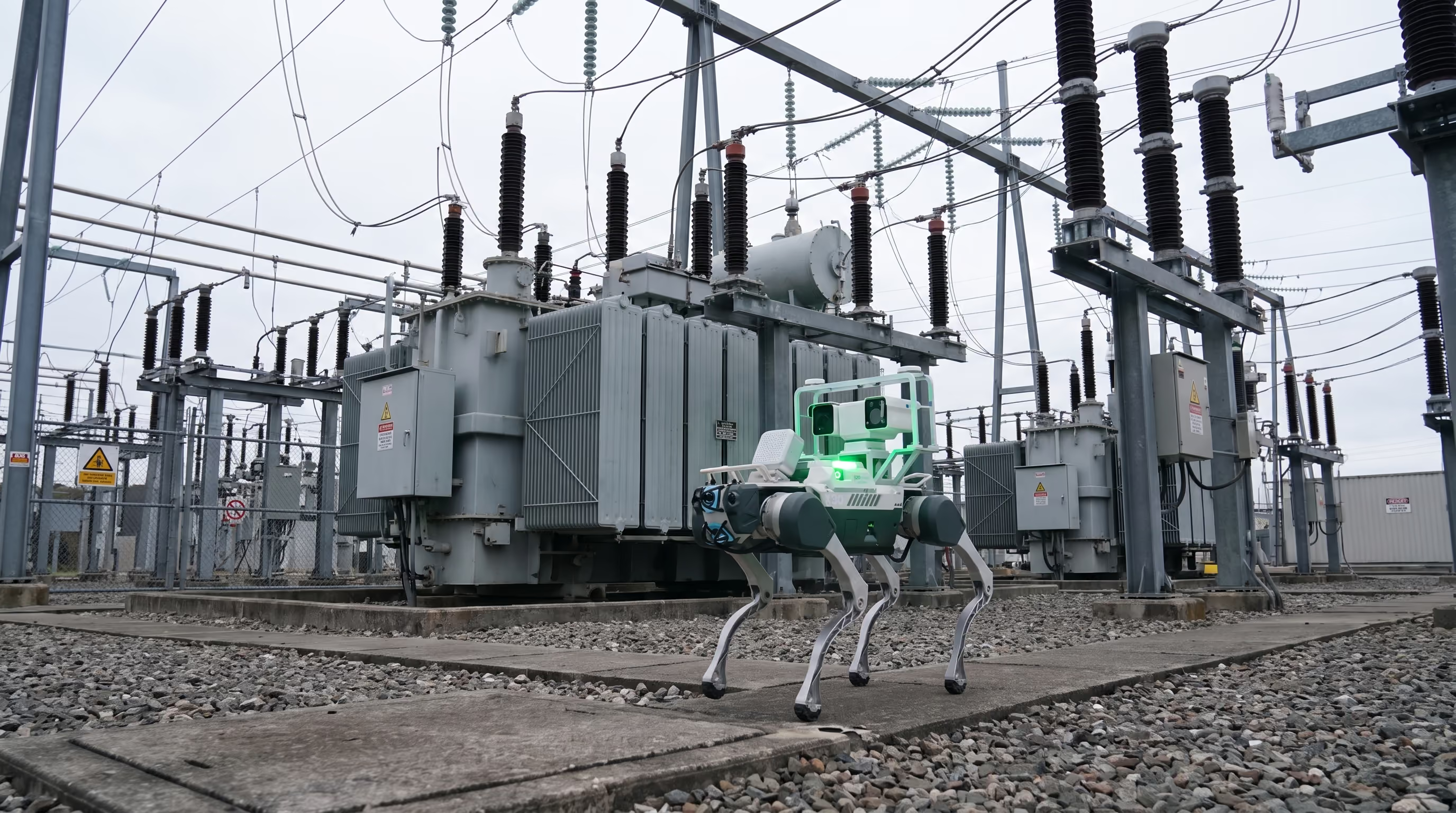
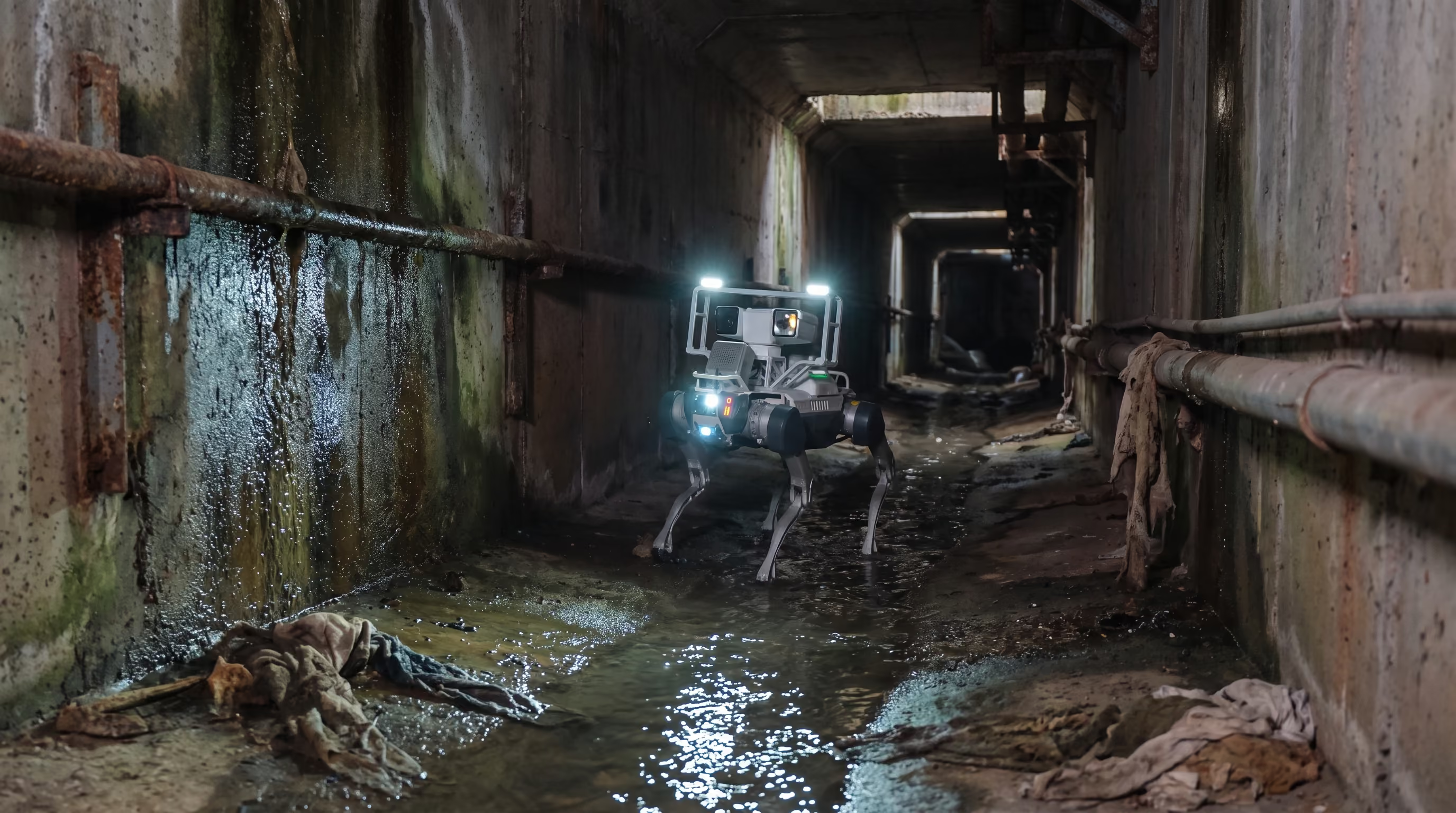
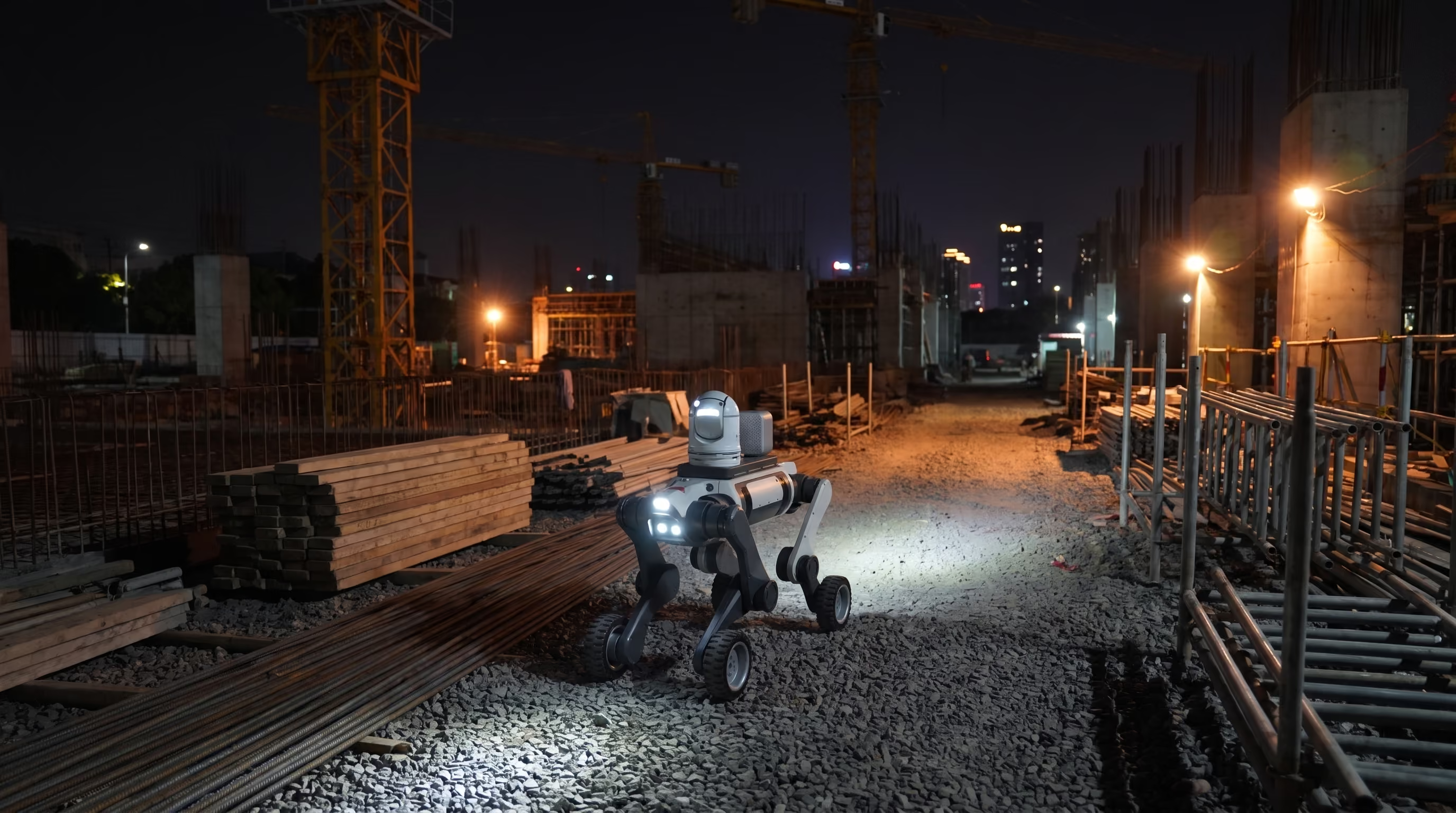
Potential environments include power substations, utilities and tunnels, process plants, oil and gas or chemical facilities, metals and mining operations, manufacturing sites and other large or hazardous industrial areas. Suitability depends on the route, terrain, access controls, environmental rating, communications and sensor requirements.
Can robotic inspection connect with CMMS, EAM, SCADA or existing reporting systems?
Where approved interfaces are available, inspection outputs can be structured for reports, alerts, maintenance review or work-order creation. Integration scope should define data ownership, cybersecurity, alert thresholds, human approval and the system responsible for the final maintenance record.
Do inspection robots replace human inspectors?
The strongest use case is usually automating repetitive data collection and reducing unnecessary exposure. People remain responsible for judgment, safety response, diagnosis, repair and decisions that require context or expertise.
How should an industrial inspection robot business case be evaluated?
Compare the current burden—labor hours, travel, access preparation, escorts, manual reporting and inspection frequency—with the value of wider coverage, consistent evidence, earlier anomaly review and avoided disruption scenarios. Include the full cost of the robot, sensors, integration, service and lifecycle support, then validate assumptions on one route before scaling.
What is the best way to start an industrial inspection automation project?
Start with one repeatable route. Define the inspection points, frequency, required evidence, exception owner and success criteria. A pilot should verify navigation, sensor quality, recovery behavior, reporting handoffs, site ownership and service readiness before expansion.