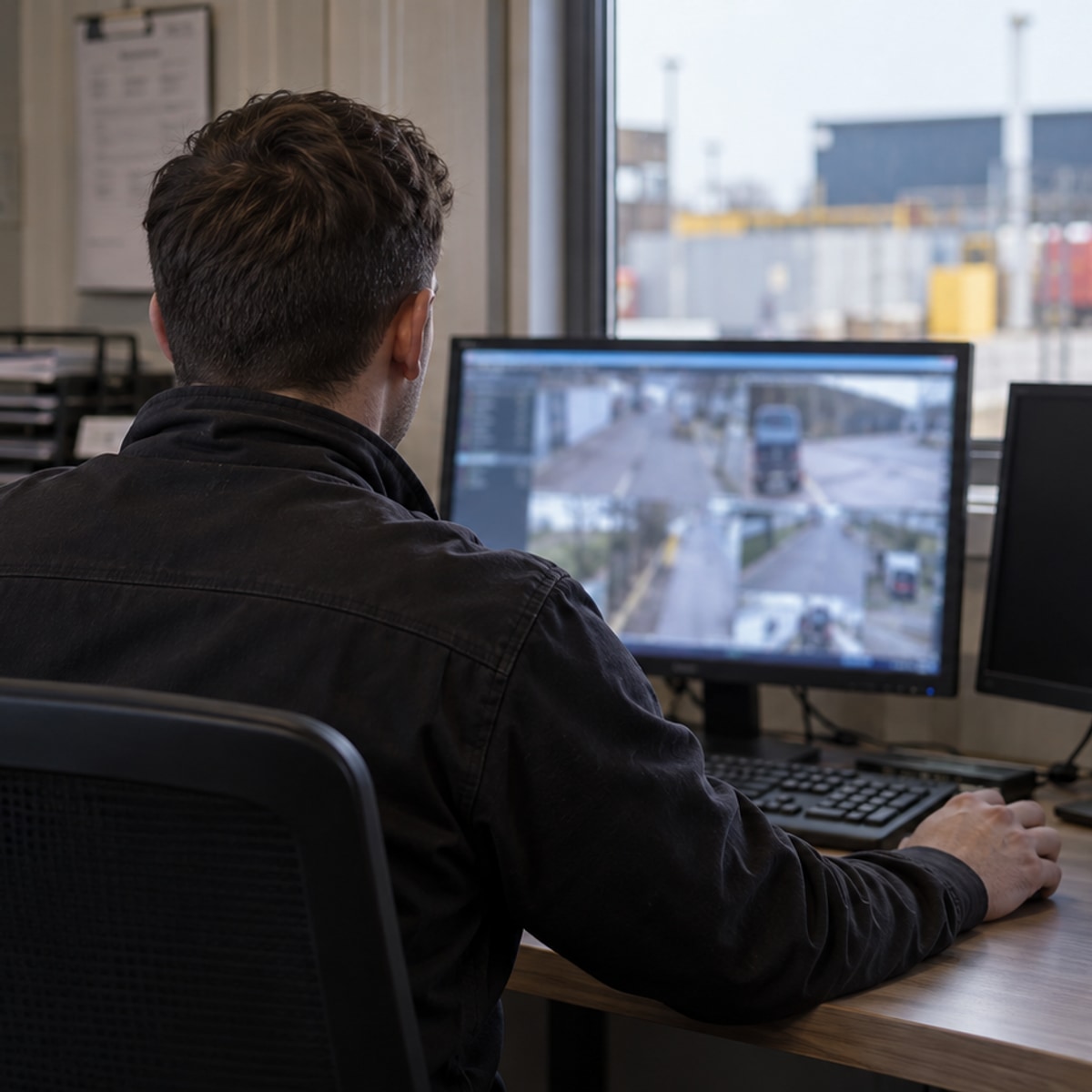
Security Robot Patrol-Route Planning: Coverage, Blind Spots and Exceptions
Plan security robot patrol routes around observation points, evidence quality, blind spots, safe access and exception handling.
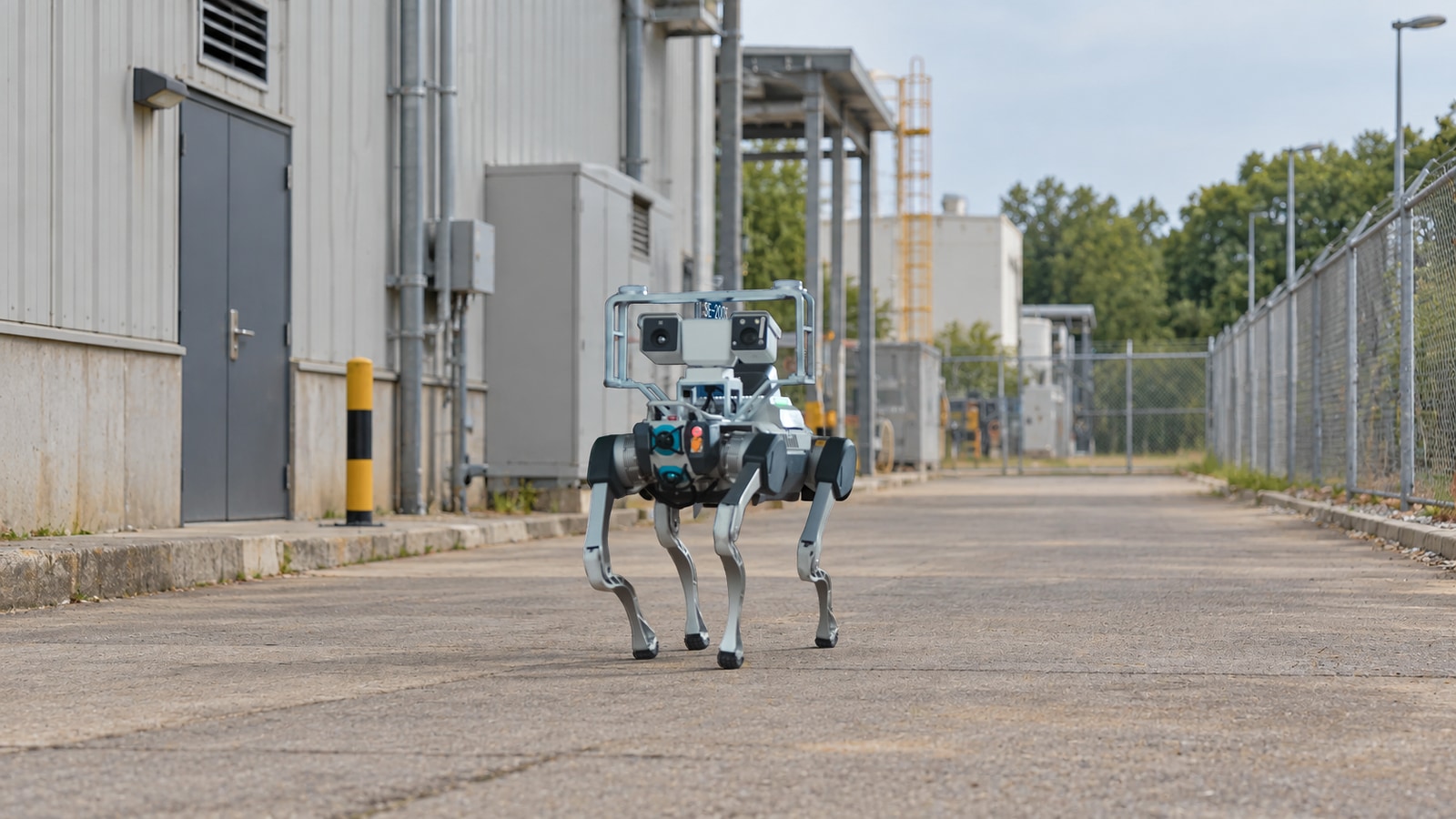
A security robot patrol route should connect specific observation tasks to safe movement, usable evidence and a human response process. Distance travelled is a weak measure of coverage. A robot can complete its map while failing to obtain the view needed to verify a gate, boundary or equipment condition.
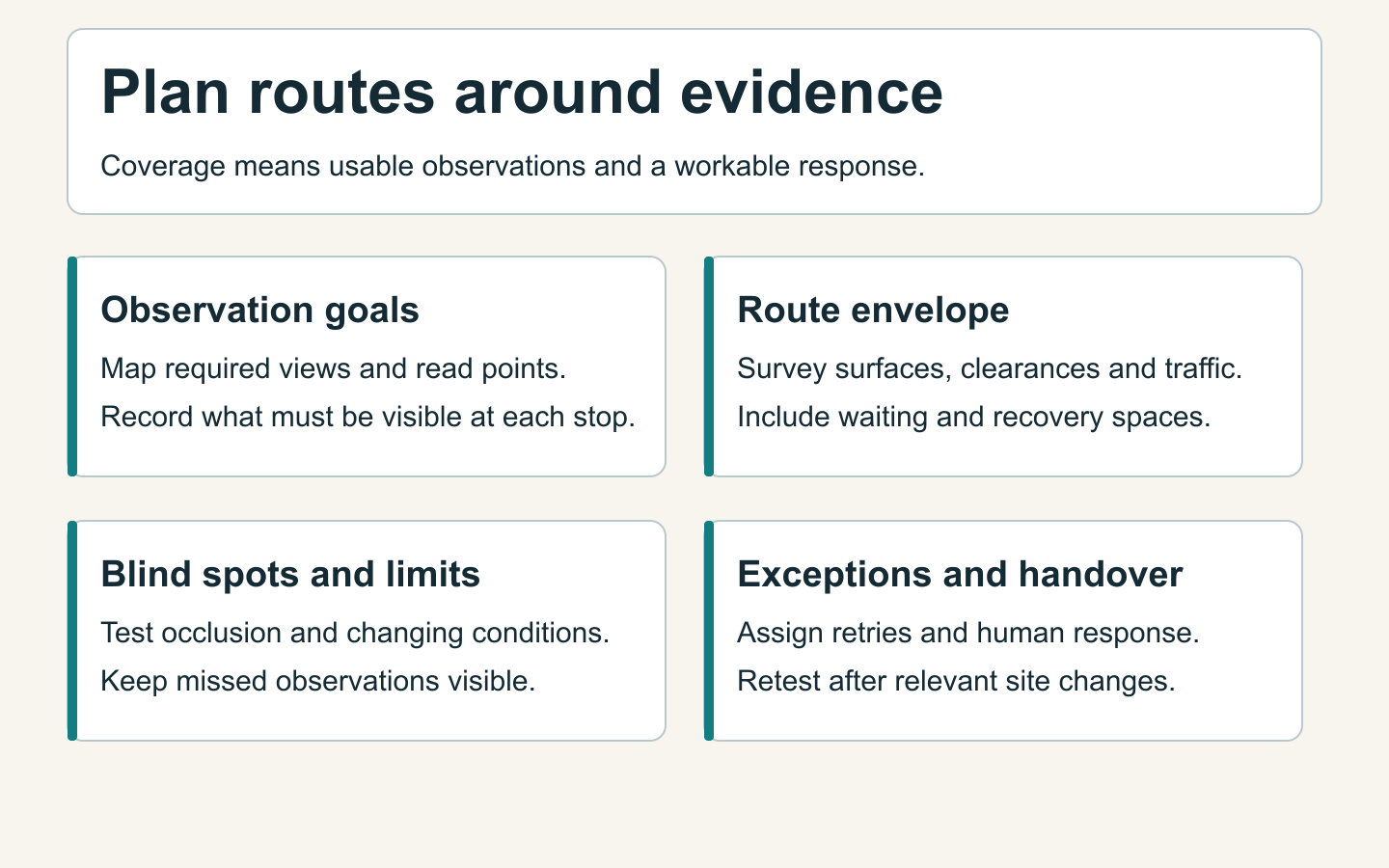
Start with the observation tasks in the security patrol robotics workflow. Assign each task a target, acceptable view, permitted time window, expected evidence and response owner. Preserve the site’s approved security and emergency arrangements as you define the robot’s operating scope.
Convert security objectives into observation points
Identify the assets or boundaries to be checked and what the operator must be able to determine. Record the sensor needed, observation position, viewing direction and conditions that can prevent a useful result. A camera waypoint should describe the required observation, not just a coordinate.
Distinguish a scheduled check from continuous surveillance. A route offers observations at defined times; it does not prove that the area is continuously watched. Describe the gap between visits and how other site measures address it.
Avoid claiming complete coverage from a route line on a map. Verify the actual evidence at each observation point.
Survey route conditions and conflicting activity
Walk the proposed route with operations and security staff. Record surface condition, slopes, drainage, thresholds, stairs where relevant, doors, gates, vehicle crossings and pedestrian traffic. Document temporary storage and seasonal changes that can alter clearance.
Compare those conditions with the selected robot’s documented mobility and operating limits. NIST’s robotics mobility work emphasizes performance measures tied to conditions and tasks. Use that principle to record where route performance was demonstrated and where it remains untested.
For a quadruped configuration, inspect foot placement, sensor clearance and recovery access as well as body clearance. A wheel-based platform may need a different assessment. Do not treat one manufacturer’s demonstration as proof that another configuration can follow the route.
Identify observation blind spots separately from navigation risks
An accessible route can still produce poor evidence because of glare, darkness, vegetation, fences, occlusion, camera angle or an obstructed target. Check the view at the scheduled operating time and under relevant weather and lighting conditions.
Record each blind spot and its mitigation: a different observation position, sensor setting, additional approved sensor, changed timing or an alternative human check. Confirm any privacy restrictions before changing the view.
Keep the blind-spot register connected to the observation tasks. That makes it clear whether a route adjustment improves the evidence or merely makes travel easier.
Define waiting, charging and exception locations
Specify permitted waiting positions, charging access and locations where a stopped robot can be recovered. Keep them clear of emergency routes and ordinary facility activity. Plan who responds when a gate is locked, a path is blocked or a scheduled point cannot be observed.
Define what the system reports when it skips, abandons or partially completes a task. The control room should receive an actionable exception, with the missed observation and required next step. Do not let route completion hide failed observation points.
Include loss of a required connection and low-energy behavior in the supplier’s documented operating procedure. Recovery should be a trained site action, not an improvised response beside moving vehicles or hazardous equipment.
Size the schedule from the complete route cycle
Measure travel, observation dwell, ordinary waiting, charging, operator review and recovery. Record variation instead of relying only on the quickest demonstration. Check whether the proposed revisit schedule can be maintained when the route encounters normal site activity.
Prioritize observation points by the site’s security plan. A delayed high-priority check may matter more than several lower-priority points completed on time. Define the escalation rule with the responsible team.
Accept the route as a controlled operating plan
Keep the route version, observation-point register, blind spots, excluded areas, permitted operating conditions and exception process together. Confirm operators can distinguish useful observations, missed checks and unresolved alerts.
Use the pilot versus production acceptance guide to plan repeatable evidence before expanding the route. Revalidate when layout, traffic, vegetation, lighting, security priorities or robot configuration changes. Request a patrol route assessment with the site map and the observations your team needs to verify.
Sources

Iven Wang
Iven Wang is the Co-Founder of Warpify Robotics, specializing in the commercialization and deployment of robotic solutions. With a background in electrical engineering and product management, he works with manufacturers, integrators, and enterprise clients across industrial inspection, security, logistics, and Robotics-as-a-Service.
Subscribe to our newsletter today
Get practical robotics deployment insights, case studies, and planning guidance from Warpify Robotics.