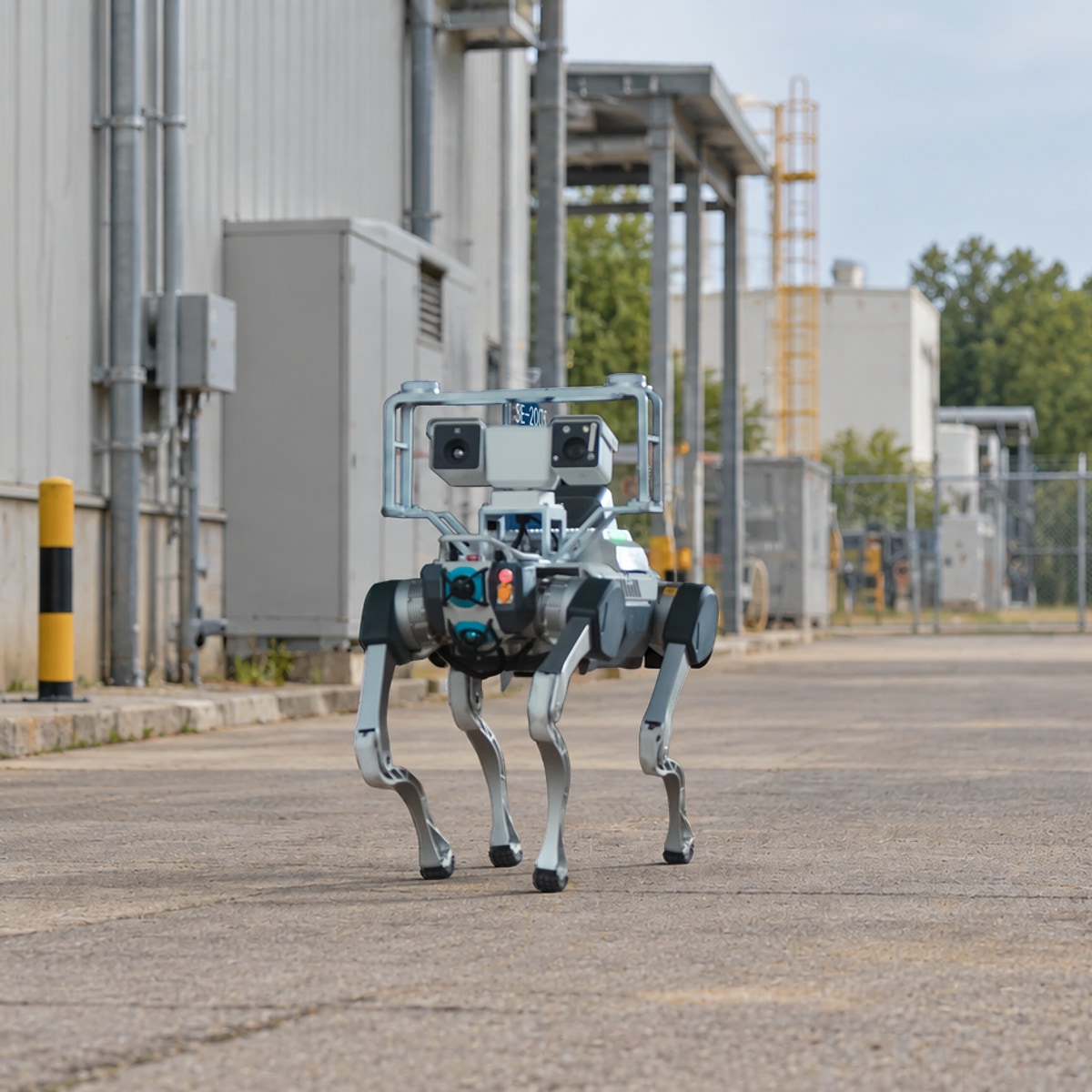
Security Robot Pilot Plan: Routes, Alerts, Privacy and Acceptance
Define a security robot pilot with route tests, alert handling, privacy controls, human workload and bounded acceptance criteria.
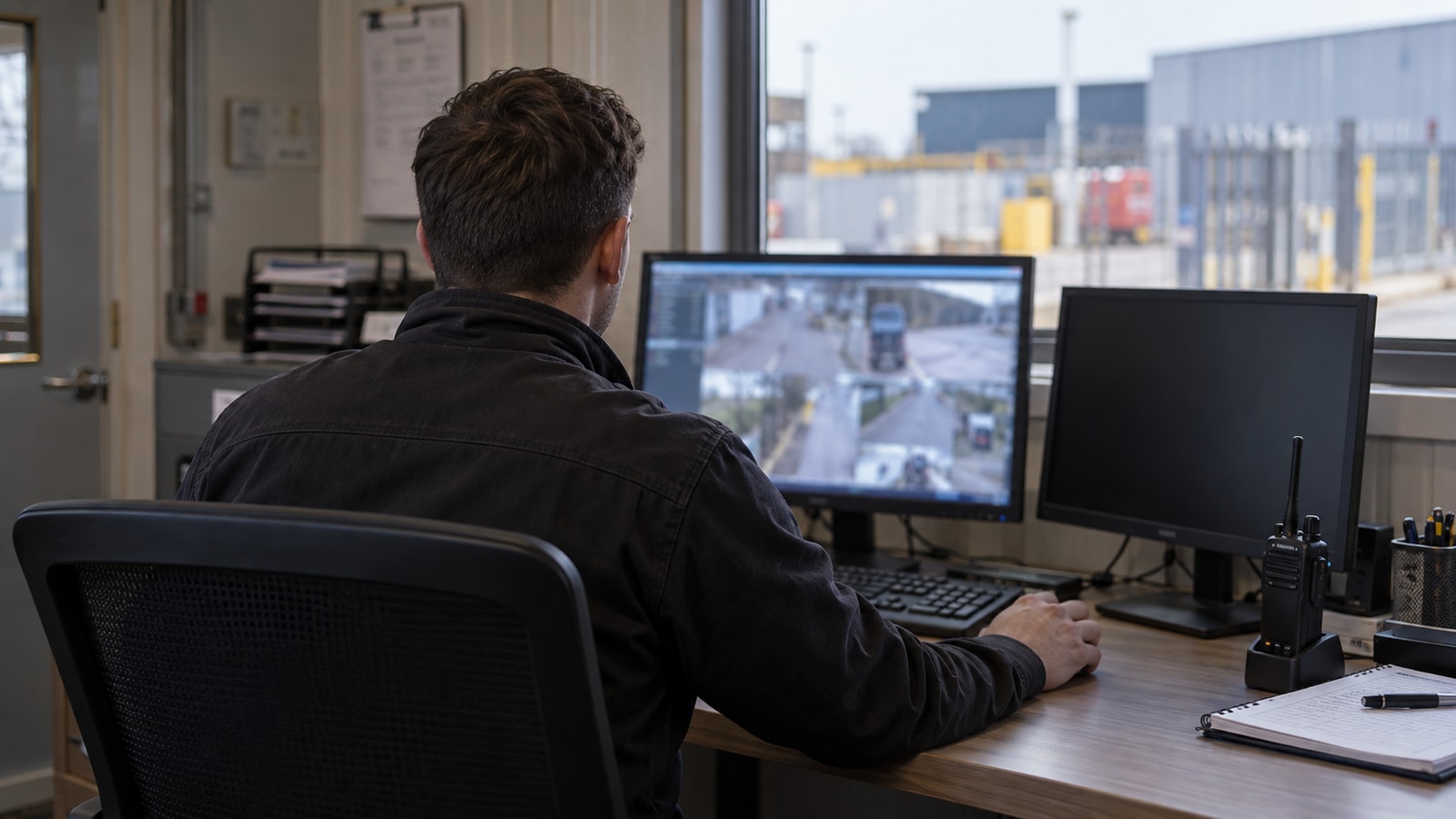
A security robot pilot should demonstrate a bounded observation and response workflow under defined site conditions. The useful outcome is evidence that the robot can reach approved observation points, produce usable information, communicate exceptions and support the authorized security team.
Set the scope using the security patrol solution, the site’s security plan and the pilot versus production acceptance method. Agree who owns route operation, privacy controls, alert review, physical response and recovery. A robot alert cannot replace an authorized response decision.
Establish entry conditions before collecting data
Confirm route permissions, robot configuration, sensor settings, collection boundaries, network access and recovery procedures. Identify excluded areas and conditions. Include the site’s qualified safety and privacy reviewers where their responsibilities are affected.
Record the permitted operating times and the people who may intervene. Confirm how the robot can be stopped and recovered through the supplier’s approved procedure. The trial should not depend on an engineer performing undocumented manual corrections throughout the route.
Define acceptance across separate outcomes
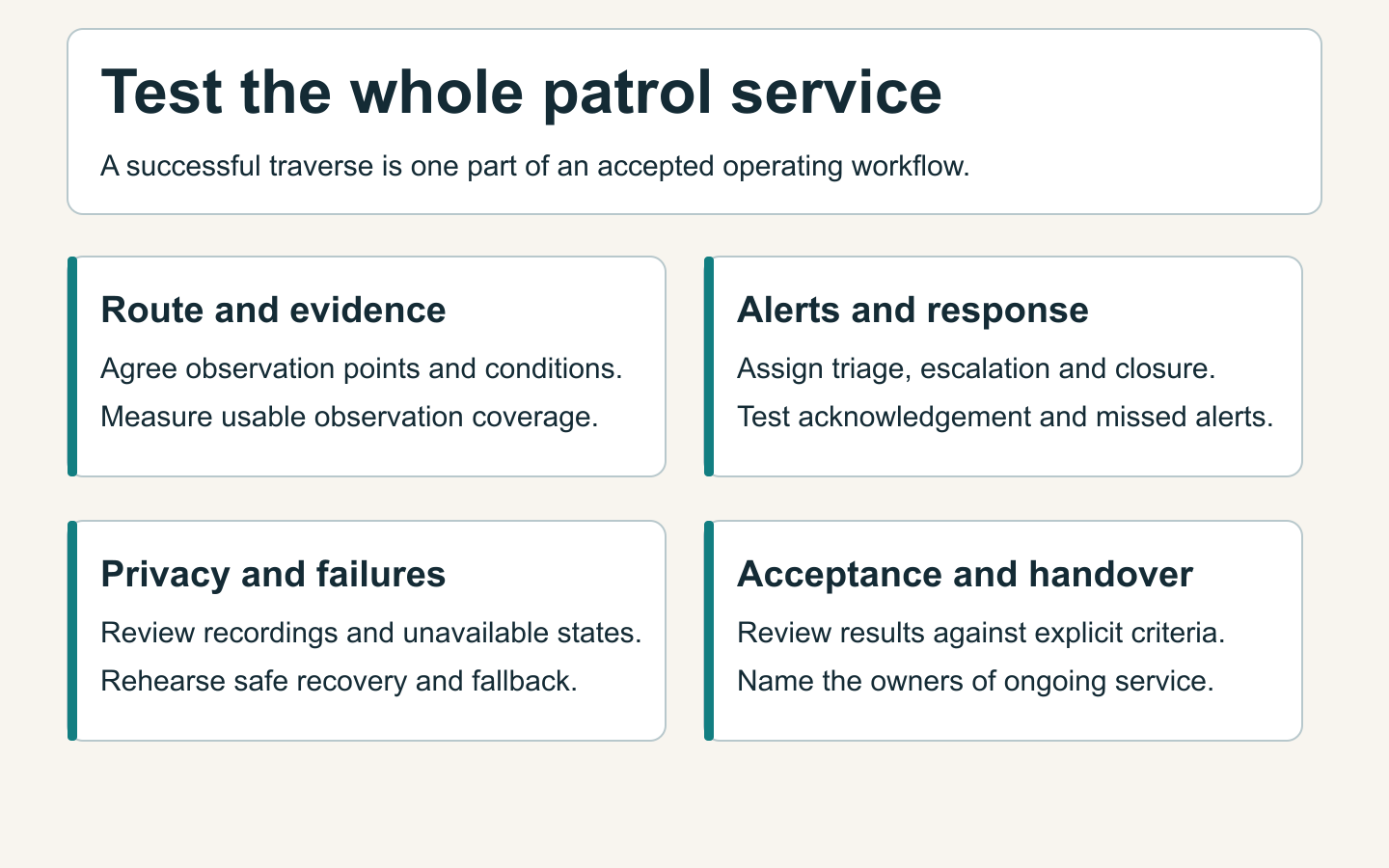
Use an acceptance register with the outcome, test condition, evidence, threshold owner and decision authority. Separate the following questions:
- Route performance: were the required observation points reached under the approved conditions?
- Evidence quality: could the operator make the intended observation from the recorded information?
- Alert handling: did the authorized person receive, understand and resolve the alert?
- Privacy controls: did collection, access and retention remain within the approved scope?
- Recovery: could the site handle exceptions without an unsafe or unrecorded action?
Agree site-specific thresholds before testing. Treat safety and permission failures as constraints, rather than averaging them with successful patrols.
Build a representative test matrix
Include the conditions that matter to the planned service: lighting, ordinary traffic, gate states, permitted weather, connection coverage and observation angles. Start with controlled commissioning, then progress to approved operational conditions.
Mark what remains outside the pilot envelope. A trial during quiet daylight cannot establish performance in darkness or congested shift changes. Record the route and software versions so a later change does not inherit acceptance automatically.
Use NIST’s task-oriented robotics performance approach as a measurement principle: retain the task, conditions and evidence together. Do not describe that approach as certification of the robot or the site.
Validate alerts with controlled, authorized scenarios
Have the security team define safe scenarios that represent the intended observation tasks. Establish the expected evidence and operator action before running them. Do not create dangerous intrusions, emergency conditions or unauthorized recording merely to test a feature.
Record true detected events, missed events, non-actionable alerts and cases the reviewer cannot confidently classify. Preserve the denominator: how many relevant opportunities were actually observed? An alert count alone cannot establish detection quality.
Inspect the entire response path, including delivery to the correct person, acknowledgement, verification, escalation and closure. Separate notification delivery from evidence that a response occurred.
Measure retained human work
Log route supervision, evidence review, alert triage, charging, maintenance and recovery. Distinguish planned work from interventions caused by a failure. Record whether the operator needed supplier assistance and whether that assistance will be available in normal service.
Keep operational capacity released separate from cash savings. A pilot can show reduced time for a specific task without proving reduced staffing or improved site security overall. Use measured workload in the commercial robot TCO framework before developing a commercial case.
Verify privacy controls on actual records
Inspect recordings from turns, waiting positions and charging locations. Test role access, export permissions and the deletion process. The EDPB’s video-device guidance provides relevant GDPR-context considerations for the responsible reviewer where applicable; the applicable site rules must be established separately.
Record unexpected collection and stop or revise the affected scope before expanding the trial. A live-view mask should not be assumed to apply to exports without checking.
Close with an evidence-based operating decision
Proceed only for the accepted configuration and conditions. Where limits remain, identify a narrower permitted scope, further testing, required changes or a stop decision. Name each action owner and preserve the raw observations and intervention log.
The handover should contain the accepted route, observation points, alert workflow, privacy settings, recovery instructions, training and support arrangement. Request a security pilot assessment with the observation tasks, response structure and site constraints so the pilot can resolve specific deployment decisions.
Sources

Iven Wang
Iven Wang is the Co-Founder of Warpify Robotics, specializing in the commercialization and deployment of robotic solutions. With a background in electrical engineering and product management, he works with manufacturers, integrators, and enterprise clients across industrial inspection, security, logistics, and Robotics-as-a-Service.
Subscribe to our newsletter today
Get practical robotics deployment insights, case studies, and planning guidance from Warpify Robotics.